









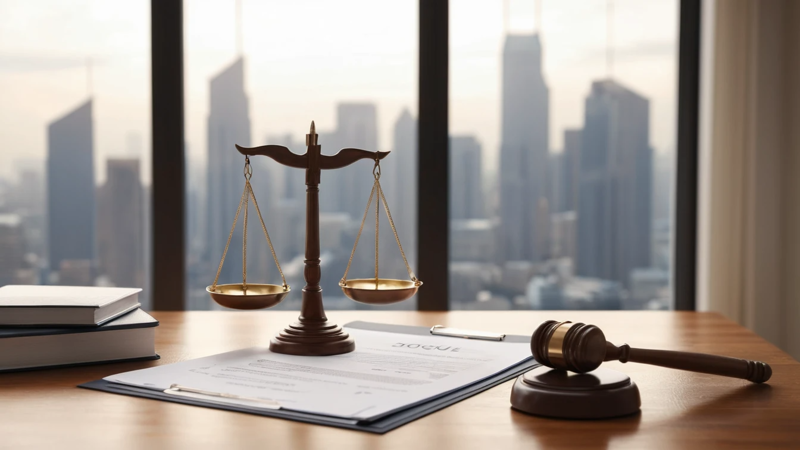
Real estate law explained simply. Learn contracts, property rights, disputes, and tips to protect your investment today.
Real estate law governs how property is bought, sold, used, and protected. It covers ownership rights, contracts, zoning rules, and disputes. Understanding it helps you avoid costly mistakes, protect your investment, and make confident decisions when dealing with land or property.
Real Estate Law: The Complete Beginner-Friendly Guide
Ever wondered why buying a house involves so much paperwork and legal steps? 🤔
It’s not just about money—it’s about rights, ownership, and protection.
Real estate law is the legal backbone of property transactions. It ensures fairness, prevents fraud, and defines ownership. Whether you’re buying your first home or investing, knowing the basics can save you time, stress, and money.
What Is Real Estate Law? 🏡
Real estate law is a branch of law that deals with land and anything attached to it. This includes homes, buildings, and even natural resources. It defines how property can be used, transferred, and owned.
It also covers legal relationships between buyers, sellers, landlords, and tenants. Without these laws, property deals would be chaotic and unsafe. Imagine buying a house without proof of ownership—risky, right?
Understanding this law helps you:
- Avoid legal disputes
- Protect your investment
- Make smarter decisions
Why Real Estate Law Matters ⚖️
Real estate transactions involve large amounts of money. A small mistake can lead to huge losses. That’s why legal rules exist—to protect everyone involved.
These laws ensure that:
- Property ownership is clear
- Contracts are legally binding
- Disputes are resolved fairly
They also protect buyers from fraud and sellers from unfair claims. Without these laws, property markets would collapse quickly.
Types Of Real Estate Properties 🏢
Not all properties are the same. Real estate law treats them differently based on their use.
| Property Type | Description | Example |
| Residential | For living purposes | Houses, apartments |
| Commercial | For business use | Offices, shops |
| Industrial | For manufacturing | Factories |
| Land | Empty or undeveloped | Agricultural land |
Each type has its own rules and regulations. For example, zoning laws decide how land can be used.
Understanding Property Ownership Rights 🔑
Ownership is not just about having a key. It’s about legal rights over the property.
There are different types of ownership:
- Sole ownership – One person owns everything
- Joint ownership – Two or more people share ownership
- Leasehold – Ownership for a limited time
- Freehold – Full and permanent ownership
Each type comes with specific rights and responsibilities. Knowing your ownership type helps avoid confusion later.
Real Estate Contracts Explained 📜
A real estate contract is a legally binding agreement between parties. It outlines terms like price, conditions, and timelines.
Key elements include:
- Offer and acceptance
- Consideration (money or value)
- Legal capacity
- Mutual agreement
If any of these are missing, the contract may not be valid. Always read contracts carefully before signing.
The Role Of Title And Ownership Verification 🔍
A property title proves ownership. Without it, you cannot legally claim a property.
Title verification ensures that:
- The seller is the actual owner
- There are no legal disputes
- The property is free from loans or liens
Skipping this step can lead to serious problems later. Always verify before buying.
Zoning Laws And Land Use Rules 🗺️
Zoning laws control how land is used in specific areas. They prevent conflicts between different types of properties.
For example:
- Residential zones cannot have factories
- Commercial zones allow businesses
- Agricultural zones are for farming
These laws help maintain order and safety in communities.
Real Estate Transactions Step By Step 📝
Buying or selling property involves several steps. Each step must follow legal rules.
- Property search
- Agreement signing
- Title verification
- Payment and registration
| Step | Purpose | Importance |
| Agreement | Defines terms | Prevents disputes |
| Verification | Checks ownership | Avoids fraud |
| Registration | Legal record | Confirms ownership |
Skipping any step can lead to legal trouble.
Common Real Estate Disputes ⚠️
Disputes are common in property dealings. They can arise due to unclear agreements or fraud.
Common issues include:
- Ownership conflicts
- Boundary disputes
- Contract violations
- Tenant disagreements
Resolving disputes often requires legal help. Prevention is always better than cure.
Role Of Real Estate Lawyers 👨⚖️
A real estate lawyer helps you navigate legal complexities. They review contracts, verify documents, and protect your rights.
They can:
- Draft agreements
- Conduct title searches
- Handle disputes
- Ensure legal compliance
Hiring a lawyer may seem costly, but it saves you from bigger losses.
Property Registration And Documentation 📂
Registration makes your ownership official. Without it, your property rights may not be recognized.
Important documents include:
- Sale deed
- Title deed
- Encumbrance certificate
- Identity proof
Always keep copies of these documents safe.
Taxes In Real Estate 💰
Property ownership comes with tax responsibilities. These vary based on location and property type.
Common taxes include:
- Property tax
- Stamp duty
- Capital gains tax
| Tax Type | When Applied | Who Pays |
| Property Tax | Annually | Owner |
| Stamp Duty | During purchase | Buyer |
| Capital Gains | On selling | Seller |
Understanding taxes helps you plan finances better.
Lease Agreements And Rental Laws 🏠
Lease agreements define the relationship between landlord and tenant. They protect both parties.
Key terms include:
- Rent amount
- Duration
- Security deposit
- Maintenance responsibilities
A clear lease agreement prevents misunderstandings and disputes.
Real Estate Investment Legal Tips 📈
Investing in property can be rewarding. But legal mistakes can ruin profits.
Follow these tips:
- Verify ownership before buying
- Check zoning laws
- Understand tax implications
- Use written agreements
Smart investors always prioritize legal safety.
How To Avoid Real Estate Fraud 🚫
Fraud is a major risk in real estate. Scammers use fake documents and false promises.
Protect yourself by:
- Verifying documents carefully
- Avoiding cash transactions
- Consulting legal experts
- Checking property history
If something feels off, trust your instincts. ⚠️
Digital Transformation In Real Estate Law 💻
Technology is changing how real estate works. Digital records and online registrations are becoming common.
Benefits include:
- Faster transactions
- Better transparency
- Reduced paperwork
However, digital fraud is also increasing. Stay cautious and informed.
Future Trends In Real Estate Law 🔮
Real estate law continues to evolve. New trends are shaping the industry.
Some key trends include:
- Smart contracts using blockchain
- Online property registrations
- Increased consumer protection laws
These changes aim to make property transactions safer and more efficient.
Conclusion 🏁
Real estate law is more than just legal jargon. It’s your protection shield in property dealings. From contracts to ownership rights, every step matters.
Understanding these basics helps you avoid risks and make confident decisions. Whether you’re buying, selling, or investing, knowledge is your strongest tool. Stay informed, stay safe, and make smart property moves.
FAQs ❓
What Is Real Estate Law In Simple Terms?
Real estate law deals with property ownership and transactions. It covers buying, selling, and using land. It also protects legal rights.
How Does Real Estate Law Protect Buyers?
It ensures clear ownership and valid contracts. It prevents fraud and disputes. Buyers get legal proof of ownership.
What Documents Are Needed For Property Purchase?
You need a sale deed, title deed, and ID proof. These confirm ownership and legality. Always verify before buying.
Why Is Title Verification Important In Real Estate?
It confirms the seller owns the property. It checks for legal issues or debts. This prevents future disputes.
Do I Need A Lawyer For Real Estate Transactions?
A lawyer is not always required but highly recommended. They ensure legal safety and accuracy. They help avoid costly mistakes.