








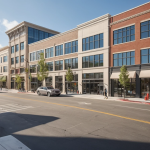

Commercial real estate for sale — discover tips, strategies, and must-know advice for investing confidently.
Commercial real estate for sale refers to income-producing properties (office, retail, industrial, land) offered to buyers who want to invest or occupy. This guide walks you through what to look for, how to evaluate deals, and the steps from search to closing.
Commercial Real Estate For Sale: Your Practical Roadmap 🏢
Have you ever wondered what it really takes to buy a commercial property—one that can deliver income, maybe grow in value, and support your long-term goals? Good news: it’s possible. Let’s dive in.
Essentially, when you’re looking at commercial real estate for sale, you’re seeking properties designed for business use—offices, retail centers, warehouses, land with commercial zoning—that can deliver returns, offer strategic value, or serve your business. The core search intent here is educational and transactional: you want to understand how to find, evaluate, and purchase commercial real estate. I’ll walk you through the full journey.
Understanding The Search Intent Behind The Keyword
When someone types “commercial real estate for sale,” they could be:
- A business owner seeking a space to run operations.
- An investor looking for income-producing property.
- A developer or land buyer wanting commercial-zoned land.
- A first-time buyer curious about how commercial deals differ from residential.
So the article must include:
- Types of commercial property.
- What to evaluate (financial metrics like cap rate, NOI).
- The step-by-step process—from search to closing.
- Pitfalls and red flags.
- How to use brokers/listings and tools.
- Strategies suited for U.S. buyers.
What The Article Must Cover To Satisfy The Intent
To meet that intent, I’ll include:
- Definition of commercial real estate for sale.
- Common property types & uses.
- Key financial metrics (cap rate, NOI, lease structure).
- How to find listings & work with brokers.
- Checklist for due diligence.
- Financing options & structuring deals.
- Legal, zoning, and tax considerations.
- Risk factors and market trends.
- Tips for first-time commercial buyers.
- A summary and actionable next steps.
What Counts As Commercial Real Estate?
When you hear “commercial real estate for sale,” we’re talking about properties used for business purposes rather than homes. These include buildings or land that generate income or will be used by an organization to operate a business.
Commercial real estate can be anything from an office building, a retail storefront, a warehouse, to undeveloped land zoned for commercial use. These assets differ sharply from residential real estate—terms, financing, and risk profiles all shift.
Unlike buying a house for your family, buying a commercial property involves evaluating the business case: Will it bring rental income or support business operations? That’s the core shift in mindset.
The Main Types Of Commercial Property 👇
Let’s break down the typical types you’ll encounter when looking at commercial real estate for sale:
| Property Type | Typical Use | What To Watch |
| Office Buildings | Corporate offices, coworking | Vacancy rate, lease term |
| Retail / Shopping | Stores, malls, convenience | Foot traffic, anchor tenants |
| Industrial / Warehouse | Distribution, manufacturing | Access, loading docks, height |
| Multi-Tenant (Mixed Use) | Offices + retail combos | Lease complexity, management |
| Land Zoned Commercial | Future development or hold | Zoning, infrastructure, approvals |
This table makes it easier to see your options and what each requires.
When you speak to a broker or scan listings, you’ll see filters for type, size, location, and more.
Why Buy Commercial Real Estate?
There are solid reasons to consider purchasing commercial real estate for sale:
- Income generation: A property with good tenants gives you monthly rent, which can turn into passive income.
- Appreciation potential: Over time, well-located commercial assets often increase in value.
- Diversification: If you’re already in stocks or residential real estate, commercial offers a different asset class.
- Leverage for business owners: Owning rather than renting provides long-term stability.
- Tax advantages: Depreciation and other tax benefits can create powerful incentives.
It’s an appealing proposition, but it also comes with greater complexity and risk versus a standard residential purchase.
Understanding Income & Return Metrics
When you evaluate a commercial property for sale, certain metrics help you judge whether it’s a good deal. Two critical ones:
Cap Rate (Capitalization Rate) – This shows the ratio of net operating income (NOI) to property value.
Cap Rate = Annual NOI ÷ Purchase Price
For example, if a building nets $100,000 per year and you pay $2 million, the cap rate = 5%.
NOI (Net Operating Income) – Income after operating expenses but before debt service and taxes.
You’ll also consider metrics like:
- Debt Service Coverage Ratio (DSCR)
- Cash-on-Cash Return
- Gross Income Multiplier
| Metric | Why It Matters | Target Example |
| Cap Rate | Quick value/return comparison | 5% means 20 years payback |
| DSCR | Can rent cover loan payments? | 1.25+ is safe |
| Cash-on-Cash Return | Your actual cash gain on cash invested | 8%-12% typical |
Understanding those numbers helps you filter out weak deals and focus on ones with promise.
How To Find Properties For Sale
Good listings are everywhere—online, via brokers, or off-market. Here are top ways to discover commercial real estate for sale:
- Use online marketplaces and brokerage platforms.
- Work with a commercial real estate broker who knows your market.
- Network with property owners, local business groups, and investment clubs.
- Check county property sales and public records.
- Watch for land zoned commercial that could offer long-term upside.
Pro tip: Make a list of must-have criteria (size, type, location, tenant profile) to help you quickly evaluate listings.
Working With A Commercial Broker
If you’re serious about buying commercial real estate, a professional broker is almost essential. Here’s why:
- Market knowledge: They understand local comps, pricing trends, and off-market opportunities.
- Transaction support: Brokers handle listing reviews, lease summaries, and negotiation details.
- Connections: They can link you with lenders, attorneys, and appraisers.
Your role is to be transparent about your goals and budget. A good broker can save you time, money, and stress.
First Screening: Does The Deal Make Sense?
When a property catches your eye, run a quick filter check before diving deep:
- Location quality (visibility, access, growth prospects)
- Tenant profile (number, credit strength, lease length)
- Vacancy rate and expense history
- Purchase price vs. market comps
- Capital improvement needs
| Screening Item | Acceptable Criteria |
| Minimum Lease Term | 3-5 years or more |
| Vacancy | Under 10% ideally |
| Expense Ratio | Operating expenses < 50% of income |
| Location Growth | Strong traffic, near development |
| Exit Strategy | Clear within 5-10 years |
If a property fails too many checks, move on—it’s better to wait for a solid fit.
Deep Due Diligence Checklist ✅
Once a property passes initial screening, dig deeper. Key due-diligence tasks include:
- Review leases and tenant agreements.
- Confirm tenant creditworthiness and occupancy history.
- Inspect the building structure, roof, HVAC, and environmental issues.
- Verify zoning and compliance with local codes.
- Review operating expenses and tax records.
- Check title, liens, or legal restrictions.
- Study comparable sales and rental comps.
- Forecast upcoming capital needs (repairs, upgrades).
This process may feel tedious—but skipping it can lead to costly surprises.
Financing Your Commercial Purchase
Commercial financing differs from residential loans:
- Shorter terms (5-10 years typical) with 20-25-year amortization.
- Larger down payments (20-30%+).
- Lenders focus on property cash flow and DSCR.
- Options include SBA loans, CMBS loans, and traditional bank financing.
- Seller financing can also work in certain deals.
Know your financing path early—it shapes everything from offer price to closing timeline.
Legal, Zoning & Tax Details
Legal and zoning issues can make or break your deal. Key factors:
- Zoning and permitted use: Ensure the property fits your intended purpose.
- Lease structure: Net, triple-net (NNN), or gross lease—each affects expenses differently.
- Tax implications: Understand property tax rates, depreciation, and future assessments.
- Environmental issues: Be cautious with industrial or vacant land.
- Title and easements: Review all restrictions carefully with an attorney.
A qualified lawyer and tax professional are essential for navigating these areas.
Negotiation & Purchase Process
Here’s the typical sequence when buying commercial property:
- Submit a Letter of Intent (LOI).
- Secure financing pre-approval.
- Conduct full due diligence.
- Negotiate and sign the Purchase Agreement.
- Obtain necessary approvals.
- Close the transaction (funding, title transfer).
- Begin operations or management transition.
Commercial closings can take 60-120 days or longer, depending on deal complexity.
Closing The Deal & Transitioning Ownership
At closing, you’ll:
- Complete all legal documents and funding.
- Transfer title and register ownership.
- Notify tenants and service providers.
- Set up management systems and reserves.
- Begin implementing your income or business plan.
Smooth transition = steady cash flow from day one.
Managing The Property After Purchase
Once you own it, active management keeps it profitable:
- Keep tenants happy and long-term.
- Track maintenance, insurance, and property taxes.
- Plan for capital improvements early.
- Monitor NOI and compare it to your projections.
- Explore repositioning strategies to increase value.
Owning commercial real estate is a business—treat it like one.
Common Mistakes And How To Avoid Them
Avoid these common pitfalls:
- Ignoring tenant quality: Weak tenants = unstable income.
- Overestimating rent growth: Stay conservative in projections.
- Skipping inspections: Always check structure, systems, and zoning.
- Over-leveraging: Too much debt magnifies small mistakes.
- Neglecting expert advice: Brokers, lawyers, and CPAs pay for themselves in savings.
A disciplined approach saves money and stress later.
Current Market Trends & Outlook
The 2025 commercial market shows shifting patterns:
- Higher interest rates are tightening margins.
- Industrial and logistics properties remain strong.
- Office and retail segments are adapting to new demand.
- Investors prioritize cash flow and tenant quality over speculation.
- Long-term buyers focusing on solid fundamentals are finding opportunities.
Patience, research, and flexibility define success in this market.
Your Next Steps 🧭
Ready to explore commercial real estate for sale? Follow these simple steps:
- Define your investment or business goal.
- Set a clear budget and secure pre-approval.
- Choose your property type and location.
- Partner with a knowledgeable broker.
- Review listings and apply screening metrics.
- Perform due diligence with experts.
- Negotiate confidently and close smart.
Step carefully, think long-term, and build relationships—success follows preparation.
Conclusion
Buying commercial real estate for sale is a bold but rewarding move. It requires patience, analysis, and the right guidance. Focus on cash flow, location, and tenant stability. Use metrics like cap rate and NOI to make data-driven decisions.
The path isn’t quick—but it’s worth it. When you invest smartly, your property becomes not just an address, but a lasting income engine.
FAQs
What size down payment is typical for commercial real estate?
Usually between 20%–30% of the purchase price. Some lenders may ask for more depending on risk and property type.
How long do commercial leases usually last?
Leases often range from 3 to 10 years. Longer terms provide stability and predictable cash flow.
Is commercial real estate harder to finance than residential?
Yes. Lenders analyze property income, DSCR, and tenant strength. It’s more complex but manageable with solid financials.
What’s a good cap rate for investment?
It varies, but most stable U.S. markets fall in the 6%–10% range. Lower cap rates usually mean lower risk or prime locations.
How can a first-time buyer reduce risk?
Start small, choose quality tenants, get professional inspections, and maintain adequate reserves. Don’t rush the process.